Nuancing the Politics of Taylor Swift
Being quite a left leaning person, my algorithm has done a lot to situate itself around me. As such, I am quite accustomed to scrolling through instagram or substack to find post after post speculating on whether or not Taylor Swift is secretly MAGA. Especially after Life of a Showgirl’s release, this intensity has skyrocketed, constantly bringing questions and considerations on every action and every consideration of a billionaire pop star.
And so, when I was sitting down to do an interview with one of my research participants for the Mythology of Taylor Swift project, I was expecting much of the same. They noted in their survey done previously they were accustomed to people disliking their interest in Taylor Swift’s music and trying their best to convince them to not listen anymore. When I asked about this in the interview, I was expecting to hear much of what I saw in surveys and heard from interviews already: I wish she’d speak up more on political issues. I hate she’s a billionaire.
Which is why it was such a surprise when my participant, instead, talked about those who were incredibly conservative around him angry at just how left leaning Taylor Swift is.
“There is a certain segment of Christians that have issue with Taylor Swift. Now, there’s very fringe who go so far to say she’s in some cabal and like evil. It’s insane. Those things can be dismissed outright,” they say. “Although I find them flabbergasting, there are some more well-intentioned people.”
And they told me a story. They do youth group at their church, and offered to drive home two of the kids. Their father comes out and talks to my participant: “Hey, since you’re here, I’ve been meaning to ask you: how do you justify […] being a Christian and listening to Taylor Swift?”
They went on to tell me other stories of other push-backs received, of people questioning elements, always around my participant being a Christian.
While I knew this kind of belief may exist, I wasn’t expecting it to be so prevent, especially in the current age of all the left suddenly speculating on Taylor’s beliefs potentially being different. I thought, maybe, these kinds of people would pounce on the idea she was suddenly “one of them”. But, according to two of my participants, this hasn’t happened.
Yes, two. Of the ten people I’ve interviewed, two of them detailed this kind of questioning from the conservative right. The other participant who discussed this said they often hid social media posts about Taylor Swift from a large segment of the people who follow her, not wanting to get into huge debates on her Christianity and her politics - her left leaning politics.
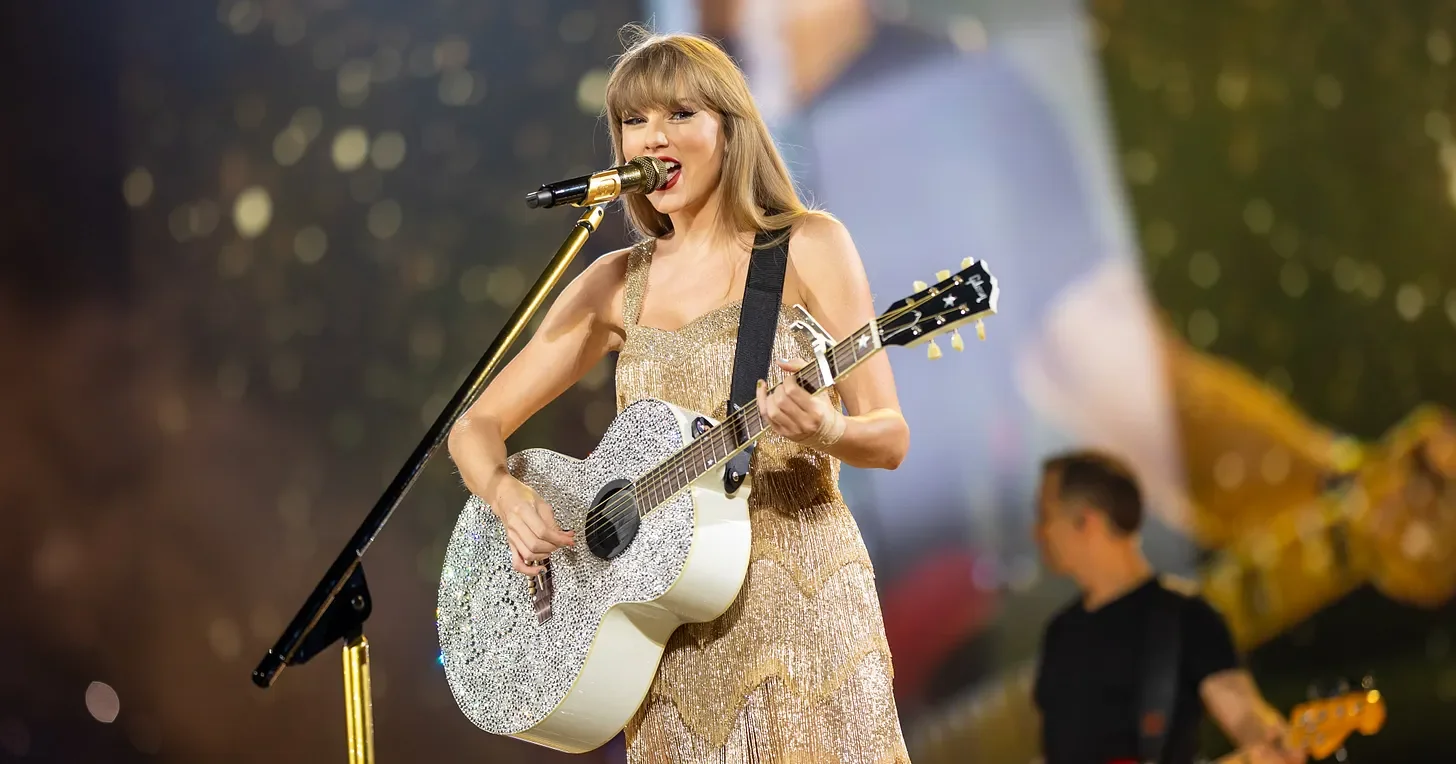
My first example, lets call them James (as that’s the name I’ve given them in my notes), continued to tell me how they often deal with this kind of backlash. When they push back with other celebrity examples “You listen to the Eagles, is Don Henley a Christianity?” They would counter with the question of ideas and values: “does she support non-Christian ideals and politics” was the retort.
Which, of course, became a discussion around gay marriage and abortion.
These are the more direct push-backs, conversations had with people who clearly wanted to make James feel uncomfortable. This is something my other participant who find themselves in a conservative area avoids by not posting at all, not sharing their interest with others in fear of these conversations. Telling me about more subtle and needling comments, James told me: “My actual boss, and the lead pastor, one time I was wearing a Taylor Swift shirt, and he said something along the lines of: ‘Do they make that shirt in men’s sizes?’ So it’s stuff like that you’ll get.”
I could probably take the time now to write extensively about the misogyny in that comment, and how it directly harms men, but we’re not going to get into that today because today, I wanted to talk about the wider thing happening here.
While Taylor Swift is being painted as problematically conservative to a liberal audience, she is simultaneously being painted as problematically liberal to a conservative audience.
So, what’s going on here? And why is it Taylor Swift lends herself to both sides questioning and pushing her into a particular label?
Taylor Swift and Emotional Writing
Before we dig into some of the more complicated elements of Taylor Swift’s persona, we should look, first, and where she begins. And, no, I don’t mean parents and where she grew up. Because none of it matters to people like those on my algorithm or those who question James. Where she starts for us, for the listeners, is at her music.
Perhaps the best description of this comes from one of my other participants, a person I’ll call Briana. Briana told me a story about her own relationship with some of the songs, particularly the song “You’re Not Sorry” from Fearless. For Briana, this song encapsulated so beautifully the experience of having an alcoholic father.
“I remember listening to that song and thinking about my dead, and how he’d be like ‘I’m so sorry I got drunk and was a bastard’ but then he would just do it again. So, I like that I can relate to them in ways that aren’t necessarily the way she wrote them. But because her lyricism is that kind of… I don’t know, it’s like specific but broad.”
They went on to talk about a writing retreat they went on, and they asked a presenter about how to write about something which actually happened without actually just writing it directly. “And she said ‘Write the feelings, not the facts’,” Briana tells me. They express to me this is what Taylor does so well.
And I think they’re right. Early in her discography, Taylor’s music occasionally did fall in the too-many-facts side of things, but as she perfected her craft, so, too, did she perfect the idea of explaining the emotions behind the experience more than the experience itself.
Listening to the Tortured Poets Department, for example, has lent itself to a multitude of arguments over the experiences leading to the songs creation - because the only thing Swifites seem to all agree on is the feeling of the song, and not the experience of it.
And so, when Taylor has dabbled in writing about politics, it falls into a similar trap. She’s busy talking about how these different experiences and thoughts and values make her feel, and not as much on the actual things themselves. What are the values? Not as important as the sentiment behind them.
Not that she has a huge number of those in her catalogue (although, maybe she does and we just don’t know?). “You Need To Calm Down” from Lover is probably the most obvious of these conversation points, and the only one (?) which may reference Trump. It also has the quite divisive line “Shade never made anybody less gay”.
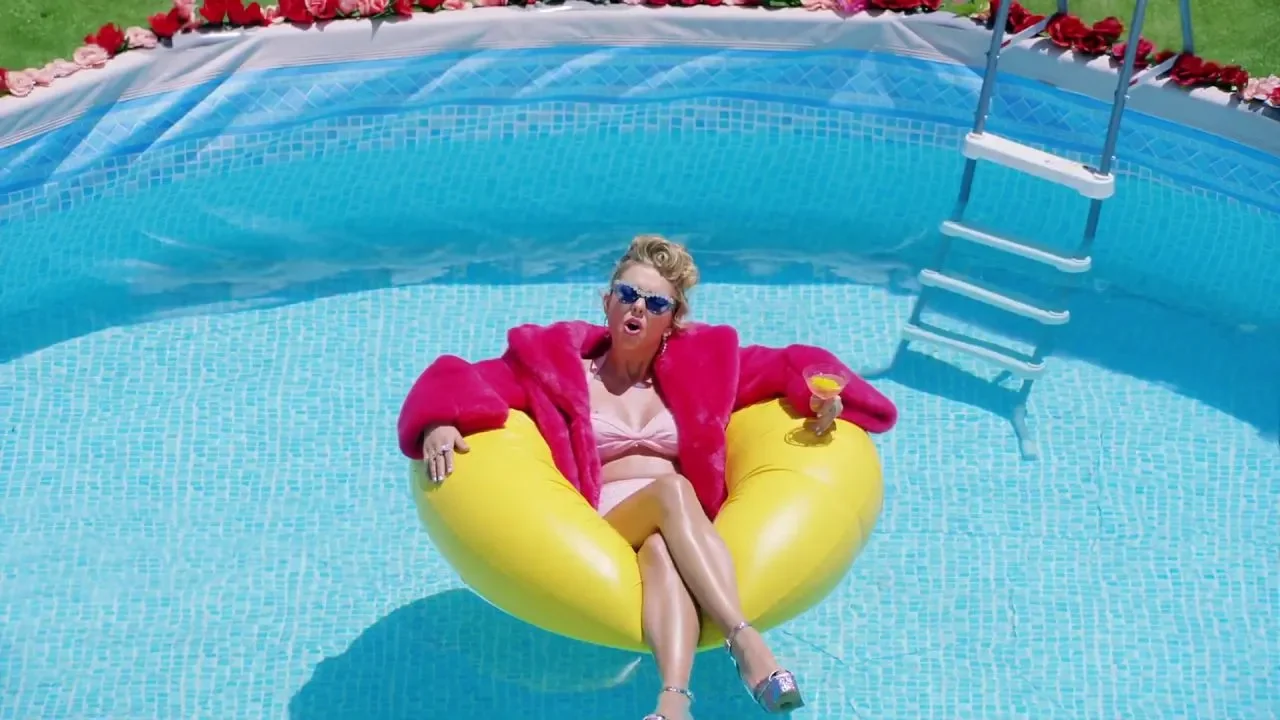
And yet, despite it being the most overt political action, it was demeaned as being “preformative”. And lost in the discussions about her “preformative” action was the other actions she took to represent/defend the LGBT+ community, including supporting a campaign against bullying queer kids in 2008, and including bullying against a kid for being gay in her music video for “Mean”.
But “You Need to Calm Down” is perhaps the most obvious and overt she has been. Others have been quieter, more up to interpretation and discussion. Most recently was the music video for “Elizabeth Taylor” which rose money for the Elizabeth Taylor AIDS Foundation. Her other references are more akin to the smaller moments already mentioned - the inclusion of a bullying of a gay kid in “Mean”, for example.
Even her discussions and songs around feminism are steeped in the feeling above the actions. In “The Man”, Taylor talks openly about the double standard of holding women to a different understanding than men in celebrity culture - but even then its far more overt here than in other renderings.
One could argue any song about the way her Masters were stolen from her, or the conflict with Kanye over a music video which is essentially revenge porn of Taylor, still up and accessible, is also directly related to these conversations. There are hints to the trouble of double standards and the difficulty for women in the public eye in songs like “Cassandra” and “Father Figure”.
But subtle means, similar to how Briana was able to read her own experiences into “You’re Not Sorry”, so, too, can those who do not have such personal and emotional interpretations.
Hijacking of Star Texts
I’m not just saying this because I’m a specialist in pop culture and mythology. I swear. But celebrities are themselves texts. They are written on, composed, read, published, and marketed.
And like any other text, they can be interpreted.
There has been more of a movement recently to focus on the “proper” way to read a star text. This is something I’ve noticed not just in the Taylor Swift fandom, but in the fandom of other musical artists like Noah Kahan. Personal interpretation is considered almost like “head canon”, or something which stands apart. More important for knowledge of the star text is to understand the celebrity musician personally, to focus on their own stories and the actual backgrounds of the person who wrote it.
Just to continue to use Noah Kahan as an example here, more to show it’s not just Swifties, his recent album The Great Divide has sparked incredibly interesting conversation over interpretation. I saw a fierce debate about the potential meaning behind “Orbiter”, where one person said they believed it to be about the relationship to fame, while another digitally shouted back they were absolutely wrong because Noah said he wrote it after losing at the Grammys and his mother was there - so it’s about that. Similarly, there is harsh criticism for those who haven’t watched his documentary, as it “provides important context” for the album (as per a comment on a reaction video I was watching). But this context would be for his experience, and not necessarily for the individual interpretations of the songs and texts from the audience.
This is also something I’ve seen frequently in the Taylor Swift community, where there is intense argument and discussion over the “actual” meaning of a song, as if personal interpretation is not held in as much important as the exact thoughts of the writer in the moment of writing. This is what has led the community to focus on the question of which muse songs are associated with - essentially, which man she dated the song is about. I had several participants say you need to know at least some base information about Taylor’s life in order to truly appreciate the songs.
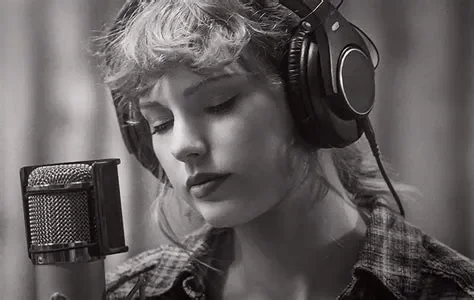
Essentially, this intense focus on the interpretation of the creation of a celebrity has become intricately linked to the celebrity themself. These memes and discussions fuel more memes and more discussions - substack posts beget substack posts (sorry to continue the trend) - and this creates a feedback loop of meanings and interpretations being coded onto the star text.
In essence, in the contemporary state of popular culture, celebrities actually don’t have much control over their own image and text. It’s at the mercy of the algorithm, at the mercy of the interpreters and meanings being pushed onto them.
I know, this is actually quite antithetical to what capitalism teaches us. In a capitalist society, we are told the more money and social capital you wield, the more powerful you are. A billionaire pop star with a fierce army of stans, you would think, could control her image - and yet, it seems Taylor Swift is the worst off for the dissections, analyses, and think pieces.
As a story, she holds power. The story of Taylor Swift is something profound, everywhere, and pervasive. But the person - Taylor Alison Swift - is not nearly as powerful as her story.
Nuancing Taylor
And so, what now?
Obviously, many of you are sat there screaming at your screens (if you haven’t already given up and just decided to leave a nasty comment about this before getting to this part) - why doesn’t she just say something?!
Taylor Swift’s subtlety in her music is held the same when it comes to the person. The work she did to prove her stance are also subtle. She has rarely come out to firmly say something - the closest when she endorsed Kamala Harris for president. So, why doesn’t she just say something? It could clear a whole lot up - make the conservatives more angry and sure of themselves, sure, but the left could relax. Instead of getting hate on both sides, it would just be the one.
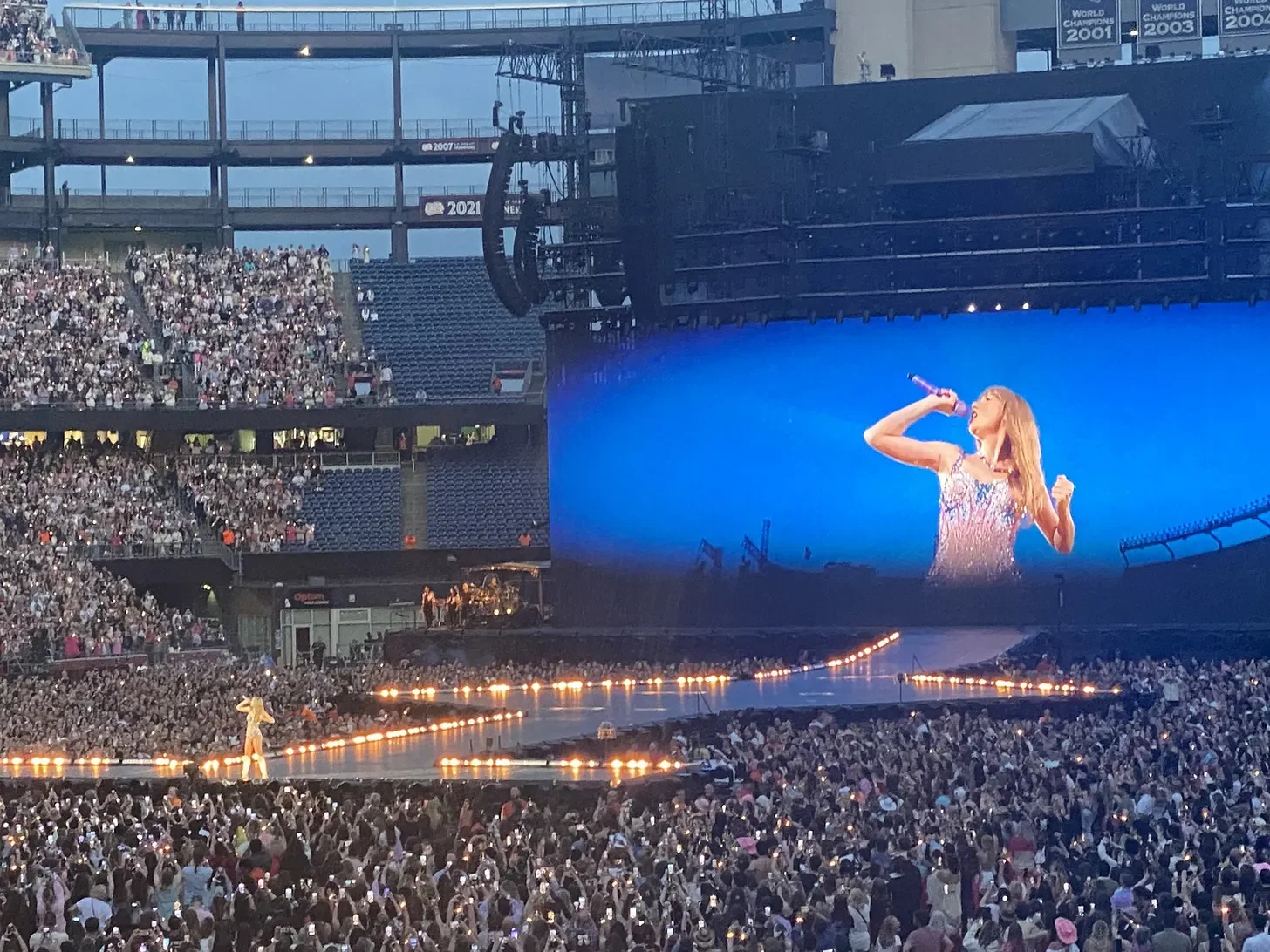
Right?
Quelling opinions by directly saying something isn’t always the thing which actually discounts the opinions. Looking back at “You Need to Calm Down” is a good example of this. Despite her overt comments, her inclusion of gay people and rainbows in the music video, she was labelled as “preformative”, just doing the action to get the left on her side when, really, that wasn’t who she was. The same happened when she endorsed Kamala - she was doing it as part of her preformative feminism - a stance she only takes when it behoves her.
Celebrities making direct statements do not stop the commentary if the commentary is already going. The discourse is happening - and there is nothing Taylor could actually do to stop it.
Ah, but she could sue people, right?! She’s famous for suing people.
Back in 2018, she tried. A blog site argued Taylor Swift was a white supremacist, and while Taylor didn’t say anything specific, her lawyers issued the blog with a cease and desist letter, the first step to a defamation lawsuit. But then, the American Civil Liberties Union (ACLU) stepped in. They wrote a letter to Taylor’s team where they defended the blog’s right to freedom of speech. “Criticism is never pleasant, but a celebrity has to shake it off, even if the critique may damage her reputation” the letter said.
Could she at least try? Probably. And if it was me, I would like to think I would be shouting from the rooftops. But I’m not a celebrity, and the mere idea of having to deal with even a tenth of the kind of public scrutiny she is under would keep me awake for a decade.
So, instead of questioning what it is she’s doing and why she isn’t doing other things, lets instead ask the question at the beginning of this post: why Taylor, and what’s happening?
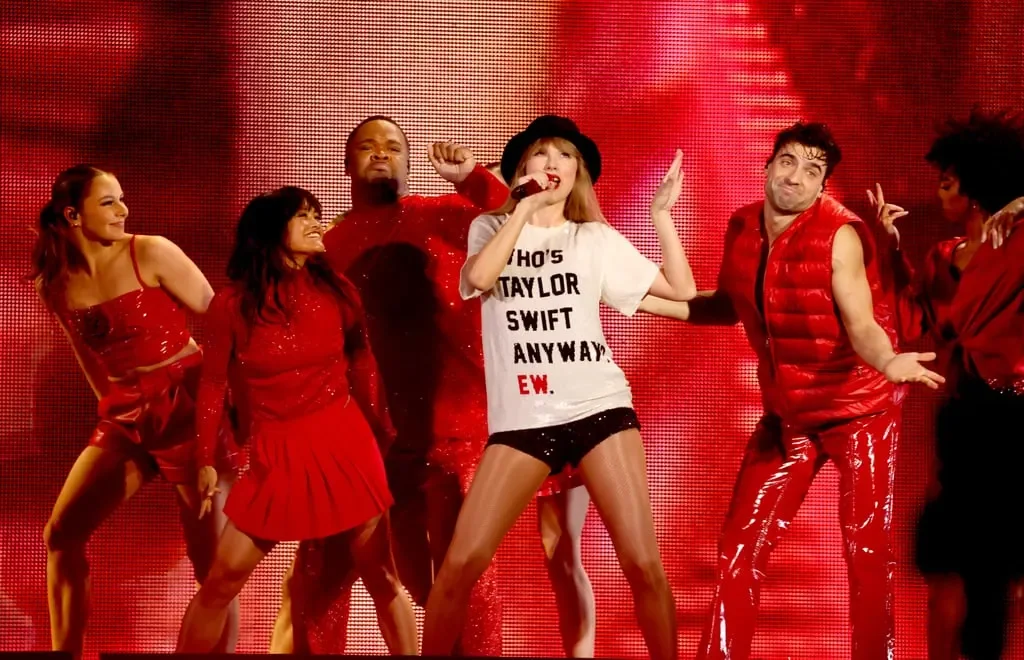
Her star text is being interpreted - and this interpretation is happening in two vastly different forms. In many ways, it represents the state of the United States at the moment. And, really, far more than the United States, too, with the rise of far right parties popping up in several Western countries. The division in her interpretation is a reflection of the divisions in politics more generally, and what has happened to pop up between friend groups and, in the case of James, youth groups and churches.
When the people James talks to sees a liberal informant, they are interpreting the texts she’s presenting. And when those on my algorithm see a secret MAGA pop stars, they’re interpreting the text. We only have our interpretations of the text presented to us, and often largely informed by our own experiences, perceptions and considerations. And just because these interpretations are shared, doesn’t make them necessarily the “correct” interpretations - because there’s no such thing.
And it isn’t just Taylor. But with her being perhaps one of the most visible celebrities, she is also therefore the most visible to interpretations and alterations of the text.
If mythology is a reflection of our times, than the mythology of Taylor Swift - not just the songs, but also the person at the heart of it all - is no exception. And the beautiful nature of interpretation is seen in the ways people like Briana and James used these songs to connect to complicated emotions and sentiments, re-framing them in easier to understand songs they can scream in an arena full of others like them. But, unfortunately, its also the same interpretation which can lead to the division and dismissal they face, too.