
Incidental Mythology
Mythology has never faded away. It has always been a part of us, lingering in our stories as we continued to tell them throughout time. Our current stories, the popular culture around, are our mythology. Its not mythology through some machinations of corporate capitalists who only want more money from our interest. They’re myths because they just are, incidentally.
At Incidental Mythology we explore our contemporary meaningful stories, and really dig down into what these narratives mean to us and why we care so much to tell them, play them, and watch them. At Incidental Mythology, we explain our contemporary mythology, legends and folklore, all in the world of entertainment, and through it learn a lot more about ourselves.
Get all the posts from this blog into your email feed through substack. Substack also has posts that are not shared here, and is a nice way to support me and my work. If you’re interested, go check out my substack here and subscribe!
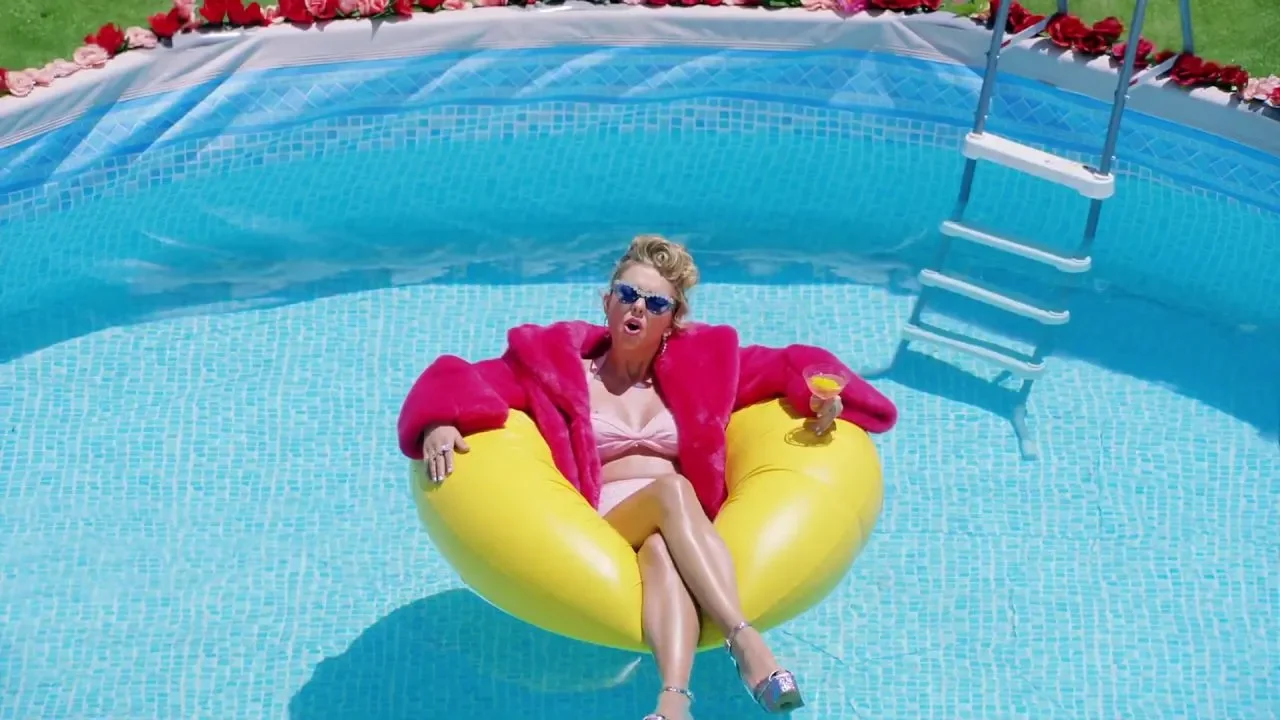
Nuancing the Politics of Taylor Swift
While Taylor Swift is being painted as problematically conservative to a liberal audience, she is simultaneously being painted as problematically liberal to a conservative audience.
So, what’s going on here? And why is it Taylor Swift lends herself to both sides questioning and pushing her into a particular label?
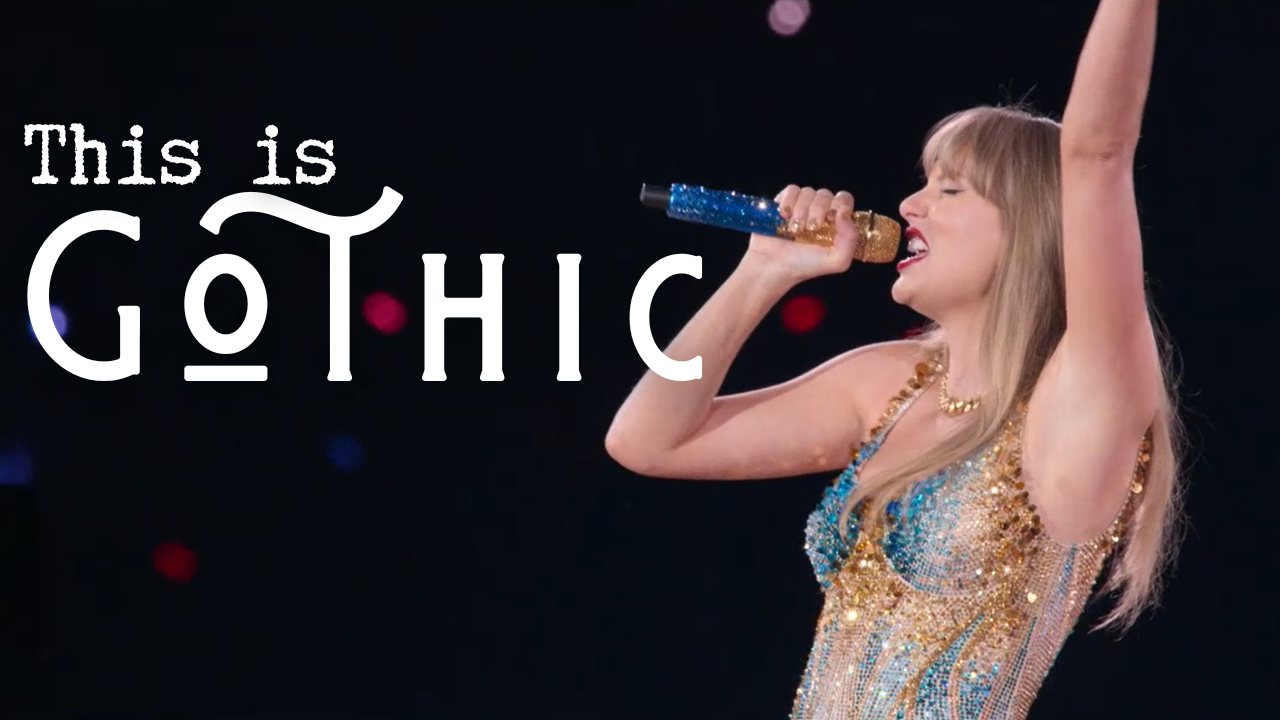
Taylor Swift and the Gothic Monster
I know I'm on the bandwagon here about the Gothic lately. I go through my own eras, and right now I'm in my Gothic era. I'm also in my Taylor swift era due to my deep research study - now a year in and many more to go - into the Mythology of Taylor Swift. Today, I want to talk about the intersection between the Gothic and Taylor Swift that I've seen throughout both of these studies, and show just how Gothic a girl in pink glitter can be. And, of course, because this is the channel where we study pop culture as mythology, we're not just going to draw the similarities to the genre, but unpack the Gothic messaging - what is it that we learn from the Gothic Taylor Swift about ourselves and our own society.

Lost in the Forest of Research
I thrive on the thrill of finding, my heart beats to the sound of discovery. Research is not a means to an end. Its a way of being, a definition to the soul, a lens through which to see and experience the world. It’s a call to be curious and to want more, to constantly find more, to always ask questions.
The Haunting of Taylor Swift
As much as we’re going to be talking about ghosts today, we’re going to be talking about Taylor Swift’s ghosts specifically. Monsters are context specific, so let’s look at the context. For Swift, her ghosts are representations of alterations in time. They represent the lingering presence of something that is already dead still clinging to life in the corners of the mind. Ghosts here are demonstrations of the way things can be present and not present simultaneously, alive and dead simultaneously. It’s the crossing of boundaries and categories which typically cannot be at the same time.
So, let’s talk about it.
Anti-Fandom and the Power of Hate
What makes loving to hate so much fun isn’t necessarily the emotive experience (though there is some of that, as we’ll talk about in the next section), but also the communal experience of that. Jonathan Grey describes how this community identification and participation, even when centred around a figure of hate, can make anti-fandom quite pleasurable of an experience. Similar values can also be fostered here, which is why we see such powerful extremes in group mentality and cohesion in comments online which are aggressively racist or sexist in nature.

100 Survey Responses | Information and Research Recap
After getting over 100 survey responses, I thought I’d take some time to go over a few notes I’ve gathered from these first 100.
The Taylor Swift Mythos
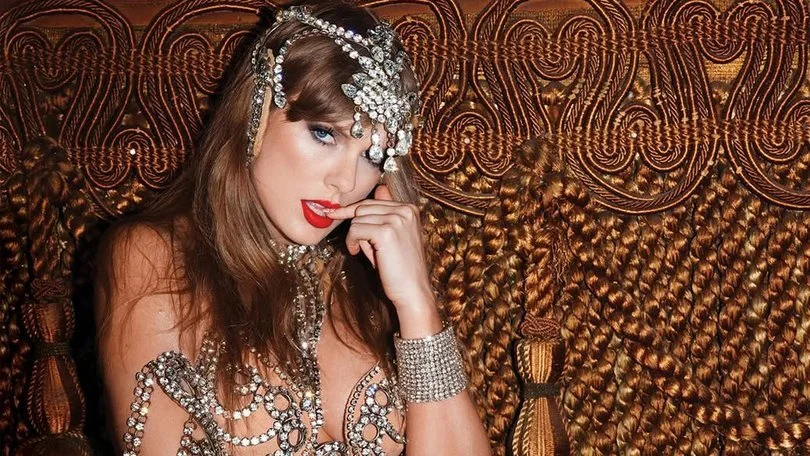
Taylor Swift thinks about her albums as full pieces of work in themselves, and also think about how her discography all works together. Actively, we have a single song working as a myth, a larger album as a complex making a mythology, and her discography creating a larger complex of these mythologies - a mythos.
Research Reflection: the Taylor Swift Survey
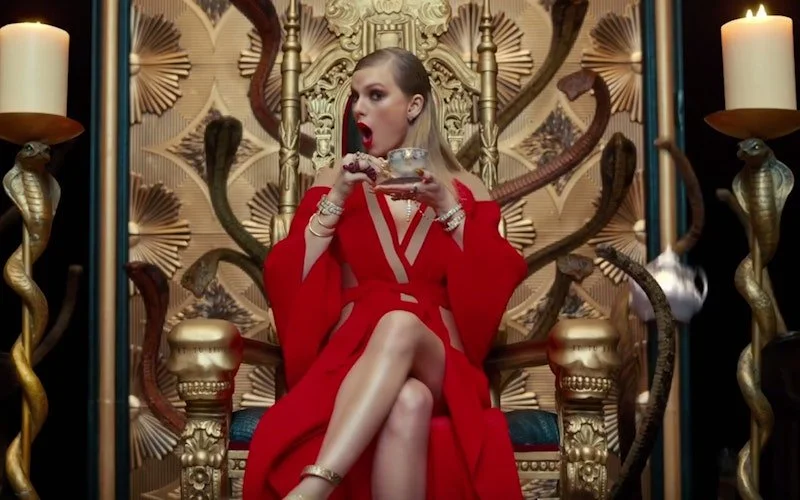
This isn’t the first time I’ve worked on a survey, but is the first time in many years. Surveys are always a little more complicated than people think. You need to be direct, but not so direct that it’s leading. You have to ask a lot, but not demand too much of their time. You need to get numbers, but also specificity when you need. Saying, for example, twenty percent of people think this, that’s great - but why?
Secrets Written in the Sky: The Folklore of Taylor Swift
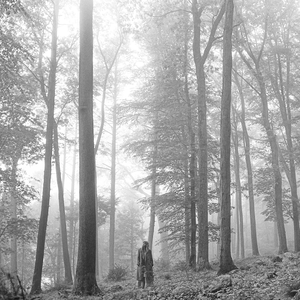
Essentially, Taylor Swift’s music exists as a form of contemporary folklore, and as such is not limited to Swifties alone. Her story, the stories she creates, and the stories spun from the original stories, all exist in a complicated weave of individual and communal storytelling which thrives on its context and its life outside of this context simultaneously.

Taylor Swift, the Corn Wolf
Taylor Swift, therefore, is a Corn Wolf. She is human, and idol, and symbol all at once. She is the music and the performer. She is the writer and the topic, and even the theme. All of these are possible, and it is because all of these are possible that she is the figure she is.